


*This article may contain product links which pay me a small commission if you make a purchase. Learn more.
At some point in my athletic career I learned it:
No one cares why you didn’t.
You said you could — that you’d execute and get it done. But, you didn’t.
So own it and accept the blame. You earned it, don’t pass the blame to someone beside you or beneath you. Take total ownership, then go fix it.
The Disabled List & Excuses
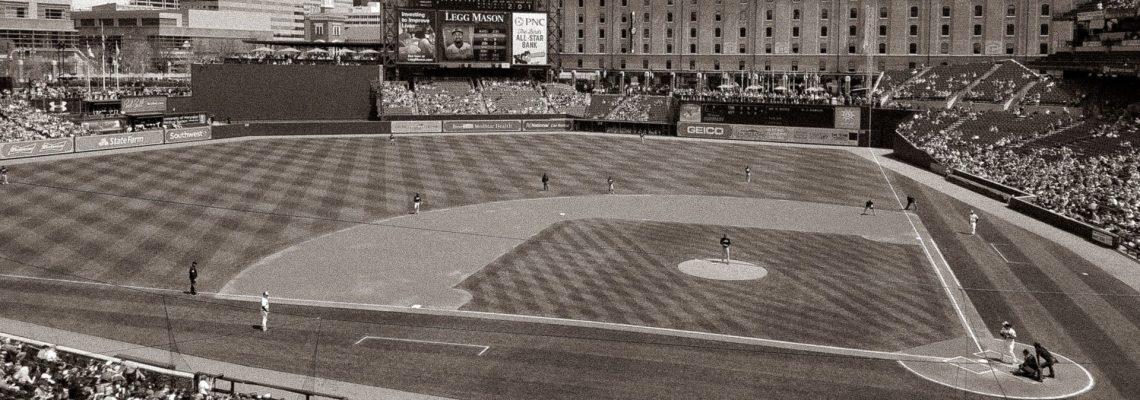
I played baseball all my life, and it can be a humiliating, humbling sport.
Everyone’s watching and it’s all up to you. You’re put on the spot over and over, showcasing your ability to either rise to the challenge or crumble under pressure. These little moments happen every day on a grass field or a hardwood court near you, and they’re a big part of why sports are so good for kids.
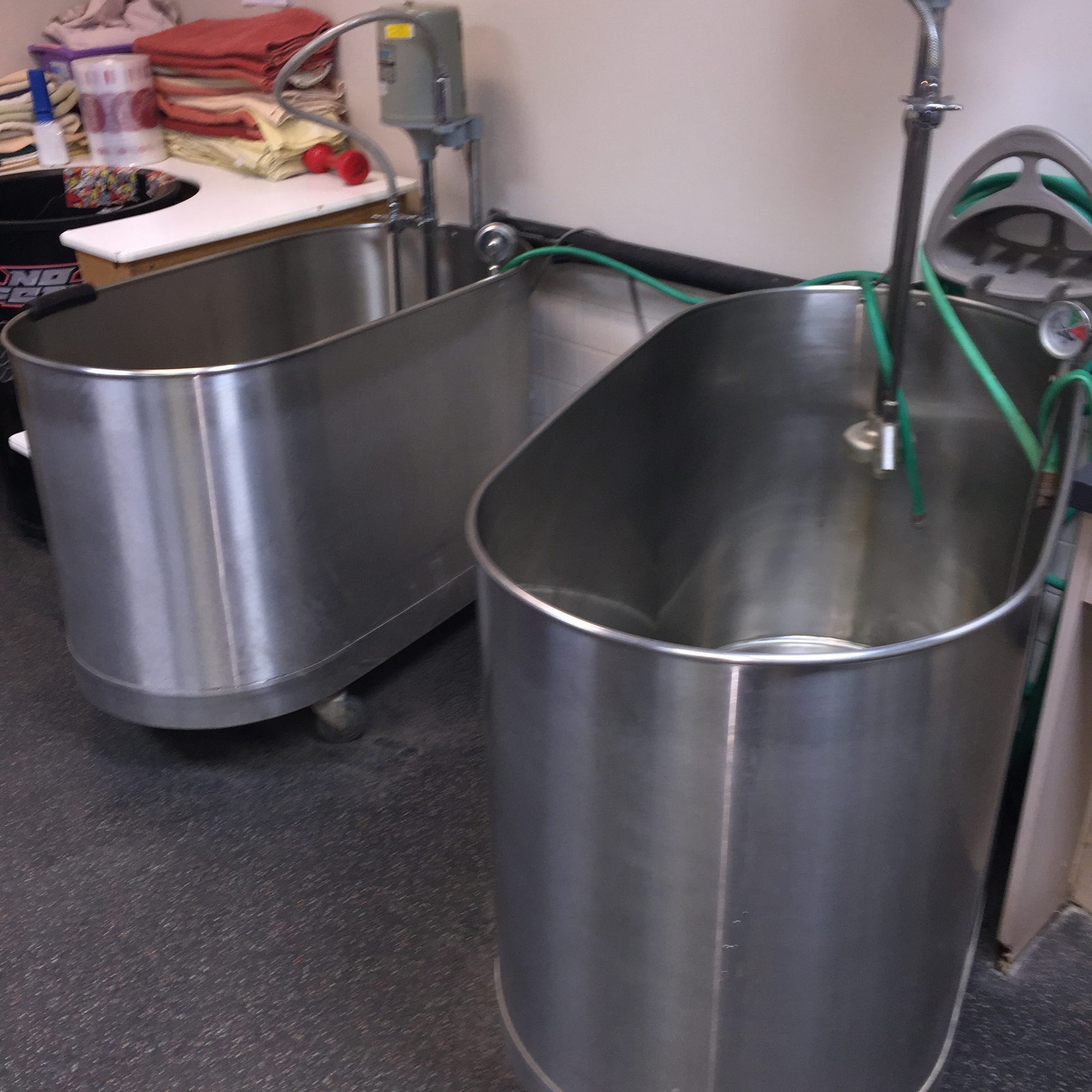
But in sports, one of the most common excuses for poor performance — for cracking under pressure — is health.
When an athlete takes the field at less-than-100%, it’s no secret that he or she may not perform at their usual best. Understandable and part of the game, right?
BUT…
If You Say You Can, There Are No Excuses If You Don’t.
This is what separates people in life. There’s two types of people:
- Those who say they can, yet make excuses when they don’t.
- Those who say they can, and take complete responsibility when they don’t.
In the sports world, the disabled list is a polarizing and excellent example of this divide.
In pro sports, players fall into three categories based on health:
- Those who can play
- Those who are on the disabled list and cannot play
- Those who are deem themselves healthy enough to play, but who use their pain or ailments as excuses when they don’t play well.
The disabled list is a big deal, because if you put yourself on it, there’s no going back — you’re not eligible to play at all for a set period of time when you’re placed on it. The DL is for serious I will hurt the team if you put me out there kind of ailments.
If you aren’t hurt enough to go on the disabled list, but you use your pain to explain away bad performances, then you’re nothing but a coward and an excuse-maker.
Even if you’re only 90% — in pain, a little banged up, not feeling well, whatever — if you’re on the field, you’re signing an implied contract that you’re healthy enough to play at 100%. And in pro sports if you can’t do that, they’ll get someone who can.
On the field = 100%. No exceptions, no excuses. No one cares that you’re actually 92% because your shoulder hurts.
On the field = 100%.
Most People Refuse to Accept Blame.

The reality is that nearly every athlete you see on the field is in some kind of pain or is dealing with some nagging issue. That’s why the athletes on TV are so special — none of them are at 100%, but they still play like it no matter what.
- Maybe her left achilles tendon is swollen. She’s playing at 91%.
- Maybe his elbow is barking at him. He’s pitching at 94%.
- Maybe his back tightens up in the 3rd quarter. He’s only 95% himself.
- Maybe her hamstring is still not 100% after a recent pull. She can’t chase down the ball like her usual self.
The above four athletes are not 100% but they sign the agreement. They’re playing, so they find a way to give their team 100%. If they sign up to play through pain, they don’t make excuses afterward. They blame their preparation, their execution, their mindset. They blame themselves.
On the field = 100%.
People Use Their Excuses Like Crutches
This implied contract doesn’t seem fair.
I tried to play through it, and I wasn’t quite as good as my normal self. I was being tough for the team…why are you going to hold me to the same standard as a player who’s healthy?
On the field = 100%. Period.
I Believed I was 100%. I Was Wrong.
In my last season as a professional pitcher, I woke up on opening day at 9:30am and reached for my cell phone as the alarm barked. As I extended my arm, a bolt of sharp pain shot down my arm from finger tip to shoulder.
This was not good.
Raising my arm to brush my teeth was painful. Shampooing my hair was painful. Pitching later that night — I threw a scoreless 7th inning in an opening day win — was painful.
But I rubbed my arm with capsaisin cream to dull the pain, took leftover high-strength anti-inflammatories from the previous season, and did every yoga/therapy/voodoo exercise I knew to find relief.
For a while I pitched well and no one but me knew about my pain. It wasn’t their business, anyway. I signed the paper — I was taking the field at 90%, but knew the rules.
On the field = 100%.
It Got Worse.
My shoulder got worse, and my numbers went with it.
I made the decision to start getting treatments to help it improve, which made my pain known — people saw me getting treatment, and the trainers wrote reports and filled my prescriptions. I still took the field. My best was no longer my best, but I signed up for it.
On the field = 100%.
A Chat With My Manager
I looked into my now slipping performance. My ERA was climbing and had reached the 5.00s, which was dangerously high for a reliever. I had pitched through elbow pain in each of the previous two years and was mostly unfazed by it. This new pain was not going to be a crutch.
I did some soul-searching, and decided that the primary factor in my poor performance was mental. I believed I wasn’t being as aggressive as I had the previous year, when I’d pitched as well as I ever had. I sat down with my manager:
I just want you to know that my shoulder isn’t an excuse for why I haven’t pitched well. I’ve been getting treatment and it’s not getting worse, and the ball still seems to come out of my hand like normal.
I really just think that I’ve lost a bit of my edge, that I’ve been simply trying to replicate my success from last year, rather than being hungry for it like in the previous year.
My shoulder is no excuse for my poor performance. I believe I’ll turn things around when I start being more aggressive. The old me is coming back.
Looking back, I don’t know why I had that conversation with him. Ultimately, it was useless except for me to vent and tell him that I had a plan, that I believed I had found some reason that things would turn around.
Things didn’t turn around.
I was ultimately released, my baseball career ending a few weeks after that conversation.
You Can’t Make An Excuse When You Signed Up For It.
Looking back, going on the DL was probably the right move, but I was always too stubborn to sit out when I knew I could compete. I’d choose to compete as long as I wasn’t on my way to the surgeon’s table (which was too often the case). I always gladly signed away my rights to an excuse for the right to be on the field.
If you say you’ll deliver, then deliver…
…and if you don’t, you don’t complain the blame is delivered to your door. You sign for that package, too. UPS didn’t get the wrong address.
I believe this mindset — one I learned from sports — I took it to heart has made me the most successful version of myself I could be.
On the field = 100%.
Excuses From Leadership Ruin Everything.
When you explain away your failings and pass the blame outside factors and other people, you set yourself up for continued failure.
- The blame you pass gets passed further down
- Flaws don’t get corrected
- No one takes accountability
- Nothing ultimately changes or improves
- A constant blame game kills morale
I have vivid memories when I chose the wrong pitch to throw, or didn’t execute. I gave up walk-off home runs, made errors that lost games, and made bone-head plays even as a seasoned pro. There was never anywhere to run from all of that, either. They were always my fault — plain and simple — and the urge to run and explain away my failings just faded over time.
Not running is the what you want, anyway. You grow, you face the criticism and learn from it. You own it and move on to create a better next version.
And unfortunately in the sports world, when you can’t fix it fast enough, sometimes you lose your job to another player. That’s life.
In Business, It’s The Only Way to Grow
I still live by this code today, just a few years removed from the ball field. Recently, the baseball organization I own outgrew our control over it. We promised a great experience for every player who wore our jersey.
We Didn’t Deliver.
There were blame-able reasons we fell short, and they would have happened sooner or later under our model. Employees fell short. Work that was delegated wasn’t done right. Assumptions were made and these assumptions were often wrong.
It was a mess, and as the leader of the organization, it was my fault. It was clear that all our employee failings were preventable, if better guidance had come from the top. I didn’t give them the tools to do their job well enough.
Every miscommunication could have been prevented had systems been put in place, or time spent to meet and make 100% certain expectations were clear. It just didn’t happen, and it didn’t happen from the top-down. It would have been easy to blame them.
We said we will, and we didn’t. I said we are and we weren’t. Leadership is always the we that deserves blame, because they’re the we that puts the systems in place.
Making excuses and passing blame down the chain would only make the future more uncertain, and slow our progress on fixing the problems that plagued us this year.
If you say you can do the job, do it. And when you don’t, own up to it.
On the field = 100%.