My Monthly Newsletter! Get it!
* = required field
Jaco Clothing – Cool Stuff

One always interesting talk I have with young pitchers is about the number of pitches they throw. I’m usually blunt about it because they need to know as soon as possible where their “stuff” stands. The conversation goes like this:

Me: What Pitches do you throw?

Him: Oh, uh, fastball, curve, change, slider, forkball.

Me: Uh, no. Felix Hernandez doesn’t even throw 5 pitches.

Him: Well, I also throw a 2 and 4-seam fastball.

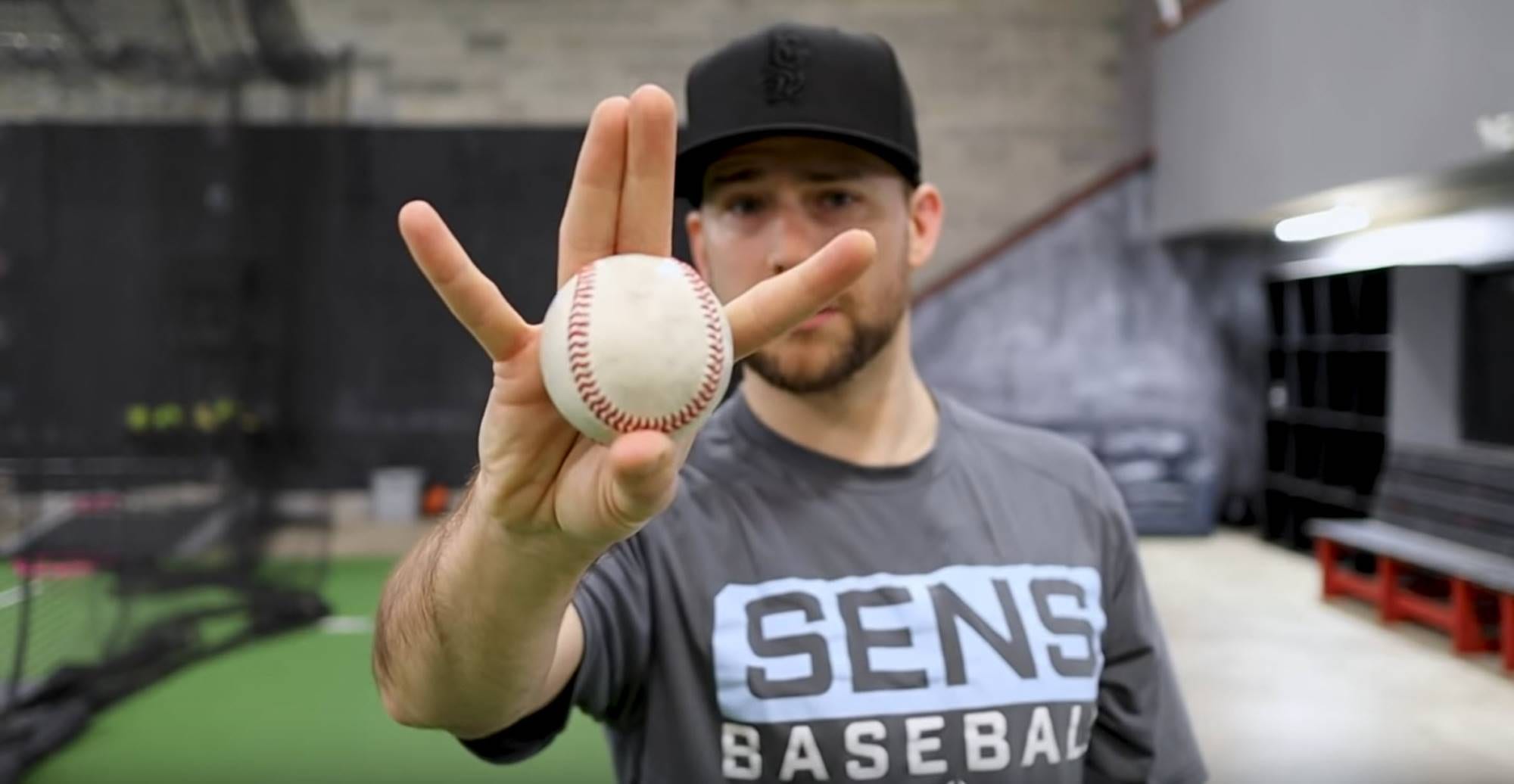
Me: Does your 2-seam move?

Him: No, not really.

Me: Then it’s not a pitch.

The conversation then gets deeper:

Me: You need to develop your fastball, a changeup and ONE breaking ball. Those three are more than enough to get you into pro baseball. Most Major Leaguers only throw 3 pitches.

Him: Oh, okay. Well, my slider and my curve are both pretty good.

Me: No. Your slider is awful. Your curve is OK. We are going with your curve, so that we can spend the most time developing it. You won’t be throwing your slider anymore. (Cue intimidating face)

Him: Okay.

The reasoning is simple – you have limited bullets and limited talent. Have you ever seen a “good” pro slider? They break in straight lines. A “good” pro curveball? Drop like a cannonball rolling off a table. They’re way better than you realize, and it takes a long, long time to hone such pitches. As such, we can’t spend precious throws working on a pitch that will never be more than mediocre.

If you throw a bullpen of 40 pitches, typically 50% or more will be fastballs, right?. That leaves 20 pitches for offspeed stuff. If you throw 3 offspeed offerings, that leaves 7 pitches a piece. If you throw four, we’re down to 5 each. It is atypical to throw more than two bullpens per week. So, we end up spreading ourselves pretty thin over so many pitches – less than 15 practice pitches per week for each. Not even close to make progress developing a pitch.

And the number of repetitions available is just one aspect. Most D-I AND pro pitchers look like this:

  1. Excellent fastball velocity and command
  2. Very good offspeed pitch with good command.
  3. Marginal third pitch.

Pitchers with command of three outstanding pitches have the “stuff” to dominate at all levels. They have two different offspeed offerings with which to keep hitters off-balance, and typically use one offspeed pitch to strike out lefties and the other for righties. If they develop a fourth pitch, it’s typically to combat a certain type of hitter that they struggle to get out with their current arsenal.

A good example: a pro righty with a fastball, curve and changeup has trouble getting his fastball in to lefthanded hitters. A cutter may be a good additional pitch for him – if he can master it – as it would allow him to show that inside fastball to lefties with relative ease, allowing the ball’s cutting action to get the ball in, rather than his mechanics (which failed him at getting the ball in).

Further, most young pitchers don’t have a great understanding of when to use each of their pitches. If they did, theoretically, possess, 4 really good pitches, in what situations does one pitch get called and not the other? Getting high school hitters out is not complex enough to warrant so many pitches, as often a general progression of speed changes, eye-level changes and pitching properly to counts is enough.

Why a slider versus a curve? Why splitter over changeup? Chances are, they don’t know, so they’re just guessing. Because of this, they are also losing the game experience of using the same pitch in different situations. All high level pitchers throw slight variations of a single pitch to better suit a given count, hitter, etc. Developing this ability takes practice in bullpens and in games, which is lost if time is allocated throwing the kitchen sink.

Lastly, college coaches don’t want high school pitches leaving college arms. That 4th breaking ball? Not going to make the cut. When a young pitcher gets to college, he has to throw college-quality pitches. Same with pro ball. Pitches that don’t make the cut get cut. So, again, touching on the premise above about practice time, we need to be incubating the best pitches to give them a chance at reaching next-level quality. “High school breaking ball” is a common term to illustrate what not to throw in fall intersquads.

My Advice:

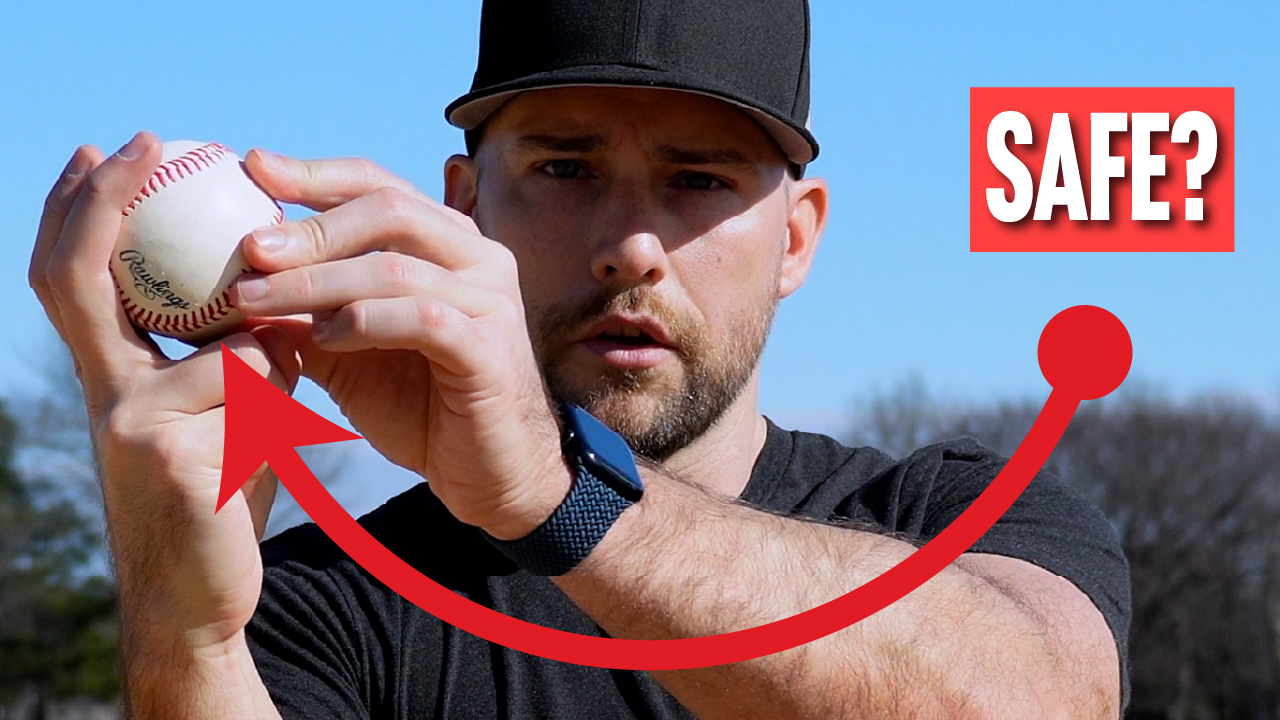
Throw a changeup only until age 14 or 15 – I believe it’s the time to work solely on the less-stressful pitch that you’ll need your whole career. Throwing a little league curve (doorknob action), “slip” pitch, or any other of these garbage “youth” versions of curveballs are, again, wasting developmental time when a young pitcher could be honing a better pitch. Then, as a freshman, tinker for a minute with different breaking balls in front of a good coach. Pick the best one that suits your arm action, ability and comfort level and stick with it. When it becomes the stuff of legend, we can add another. That’ll probably be 5 years down the road.

3 Responses to “How Many Pitches Do You Throw? Wrong Answer.”

  • Zach:

    Commanding your fastball is way overlooked at the amateur level, but the ability to control and command an average fastball plays at any level. The better the command the less velocity you need. Pitching is simple throw the ball where you want every time …haha Nice article.

  • Nick:

    Hey Dan, I like your straight forward explanations. Thanks for making it make sense and putting it in simplistic terms. Glad I found your site from t-nation, I really like your mobility article on there too!

Leave a Reply